
Enterprise CMS Platform for Scalable, Secure Digital Operations
Progress Sitefinity is an enterprise CMS built for complex digital environments. Marketing teams manage websites, brands and digital experiences from a centralized platform while IT maintains governance, security and architectural control.
Leading enterprises use Sitefinity to stay ahead





Challenges of Managing Digital Experiences at Enterprise Scale
Enterprise organizations are under pressure to manage growing digital ecosystems across brands, regions and channels. As complexity increases, many struggle to maintain consistency, govern content effectively and scale digital operations.
Fragmented Digital Platforms
Many enterprises manage multiple CMS platforms across brands, regions or business units. Content, templates and integrations become duplicated, making it difficult to maintain consistency, govern changes or scale efficiently.
Scaling Across Brands and Markets and Channels
Launching new sites, entering new markets or supporting additional channels often requires rebuilding templates, recreating integrations or introducing new systems.
Balancing Marketing Agility with IT Governance
Marketing teams need the freedom to publish and optimize experiences quickly, while IT must maintain security, compliance and architectural stability across the entire digital environment.
of organizations consider legacy systems a major barrier to digital transformation
Progress Recognized in The Forrester Wave™: Digital Experience Platforms, Q4 2025
Progress has been named among the most significant digital experience platforms in The Forrester Wave™: Digital Experience Platforms, Q4 2025.
Read more
A Flexible Enterprise CMS Platform for Modern Digital Operations
Sitefinity CMS is a cloud-native, composable DXP platform designed to simplify complex digital operations. It empowers marketing and IT teams to build, manage and optimize content-rich experiences across web, mobile and portals while maintaining the governance and architectural control enterprise teams require.
How Sitefinity CMS Powers Enterprise Digital Experiences
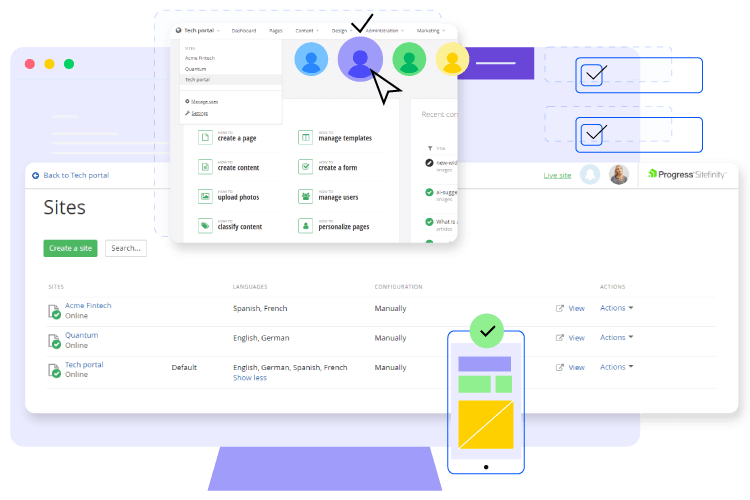
Manage multiple brands, sites, authenticated portals and campaigns from a single platform, using shared templates, assets and localization workflows to maintain consistency and governance across distributed teams.
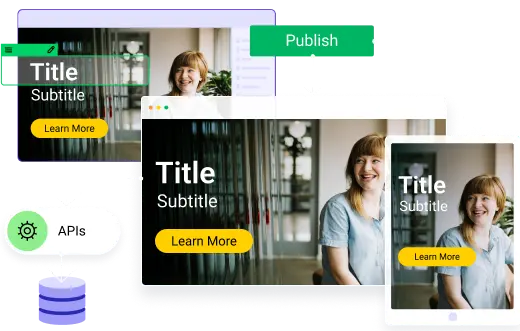
Manage content in a single repository and deliver it to websites, portals and applications through both visual editing and APIs, supporting server-side rendering with ASP.NET Core and modern front-end frameworks such as Next.js.
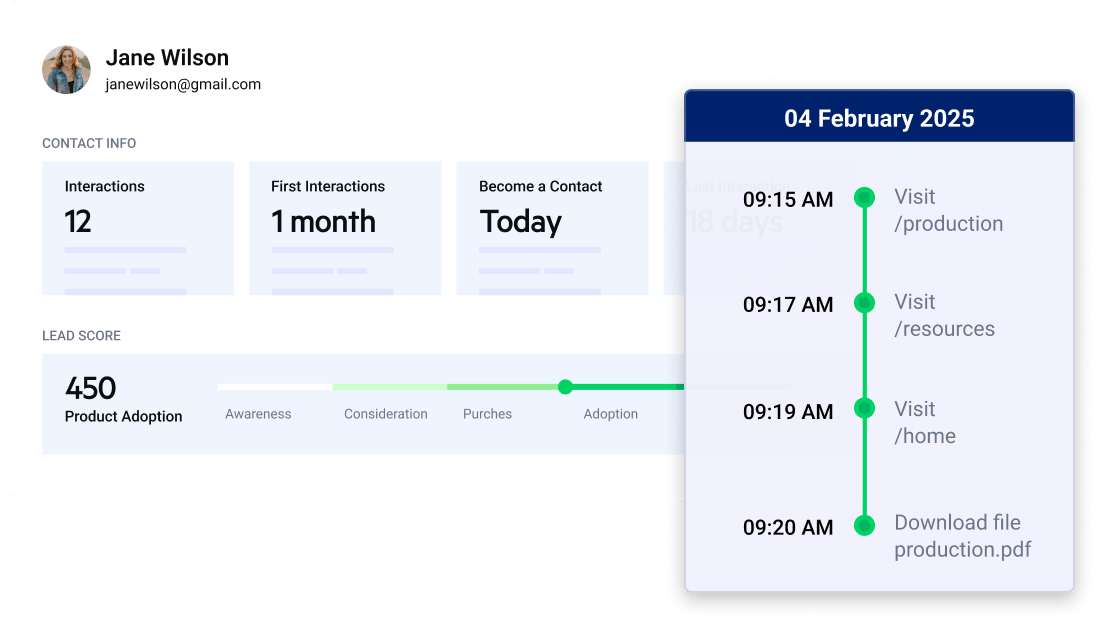
Use Progress Sitefinity Insight, the built-in customer data platform, to unify first-party behavioral data into audience profiles, build actionable segments and deliver personalized content across websites, portals and authenticated experiences.

Retrieve and generate grounded, cited answers from governed CMS content using Progress Agentic RAG, supporting search across portals, documentation hubs and large knowledge bases.
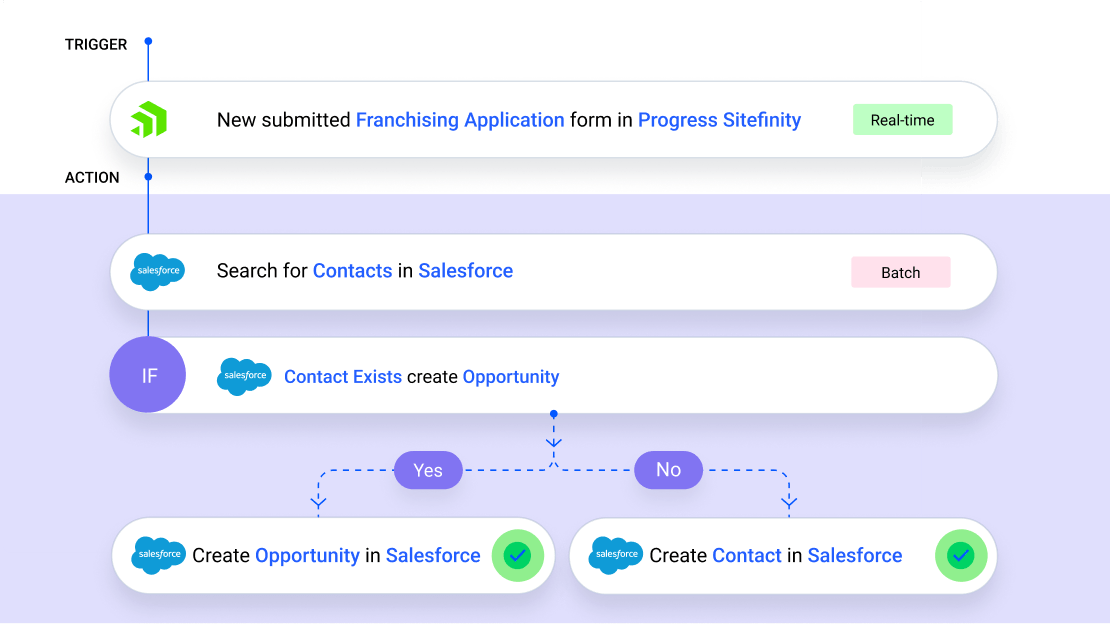
Integrate Sitefinity CMS with CRM, ERP, PIM and commerce systems through APIs, integration frameworks and low- and no-code connectors via the Integration Hub, supporting composable architectures and real-time data across websites, portals and applications.

Control access, publishing and compliance with role-based permissions, approval workflows and audit trails that provide full traceability of content changes and user activity across distributed teams.
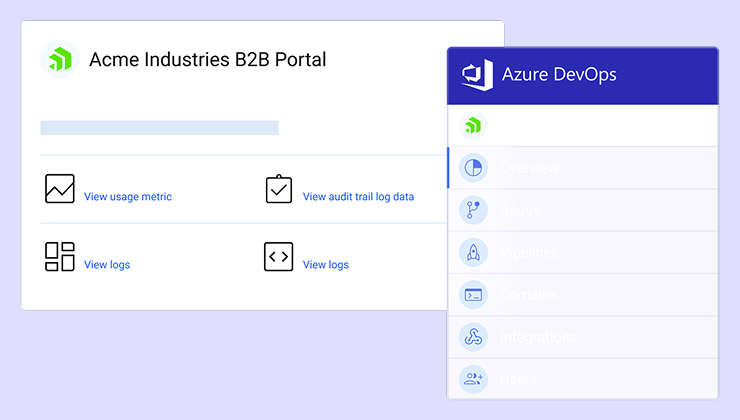
Run Sitefinity CMS in a fully managed cloud environment with 99.95% availability, where infrastructure, upgrades, patching, monitoring and security are handled by the platform. Built on Microsoft Azure with single-tenant architecture and isolated environments, Sitefinity Cloud supports enterprise security and compliance requirements while reducing operational overhead.
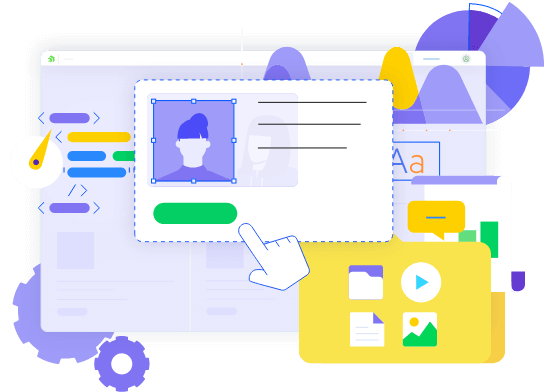
Support high-traffic websites, large content volumes and multi-site environments with a decoupled, tiered architecture that separates content management from presentation. The Sitefinity platform enables independent scaling of frontend and backend layers, while modern rendering technologies such as ASP.NET Core and Next.js optimize performance and page delivery under load.
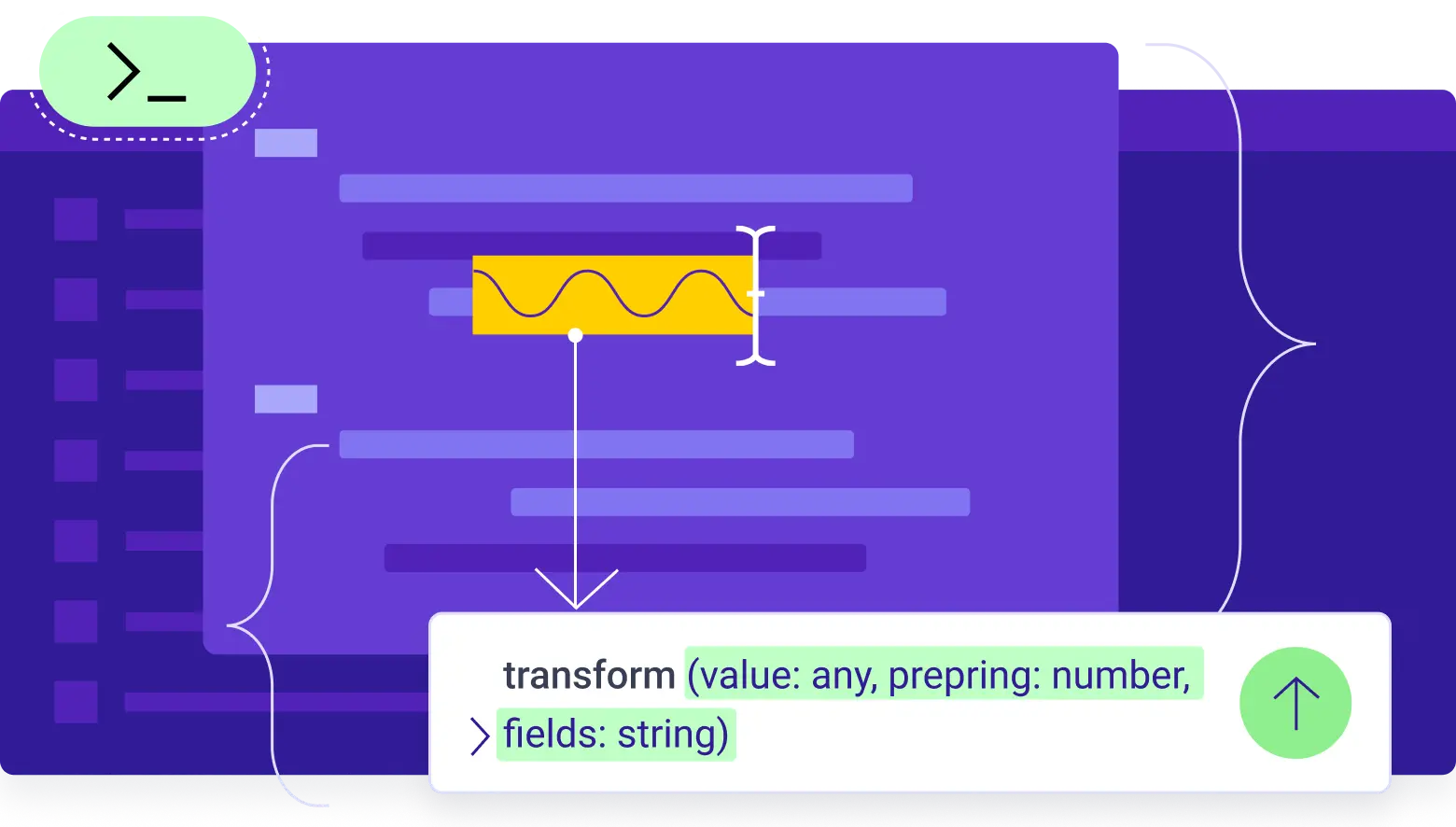
Extend Sitefinity using APIs, SDKs and ASP.NET Core to build custom integrations, implement business logic and support CI/CD workflows across development, staging and production environments without compromising platform stability.
Why Enterprises Choose Progress Sitefinity as Their CMS
Centralize and Scale Digital Operations
Accelerate Digital Delivery Across Markets and Channels
Maintain Governance, Security and Compliance at Scale
User Testimonial
Where Sitefinity CMS Powers Enterprise Digital Operations
Enterprises use Sitefinity CMS to manage complex digital environments that span multiple brands, regions, audiences and content types. From global websites to secure portals and knowledge hubs, the platform supports a range of digital experience scenarios without requiring separate systems.
Enterprise Website Management
Manage networks of regional and brand websites from a centralized CMS platform. Shared templates, content models and governance controls maintain consistency while allowing local teams to manage language, market and regulatory requirements.
Customer and Partner Portals
Deliver secure web portals that provide customers, distributors and partners with personalized access to content, documentation and services. Integration with enterprise systems supports authentication, account-specific information and role-based experiences.
Multi-Brand Digital Platforms
Support multiple brands, product lines or business units on a shared digital platform. Central governance maintains brand standards while individual teams manage their own sites, campaigns and digital experiences.
Documentation Portals and Knowledge Bases
Manage large volumes of product documentation, support content and knowledge assets in a structured environment. AI-powered search surfaces accurate, source-grounded answers across complex content repositories.
Customer Stories


Kubota Tractor Corporation Enhanced Its Customer Journey, Ensured No Website Downtime and Increased New Website Users by 23% with Progress Sitefinity Cloud
Read the Story

The Food and Agriculture Organization (FAO) Cuts the Time to Build Website IT Components from One Day to One Hour with Progress Sitefinity
Read the Story

American Air Filter International Aims for Global Growth and Brand Consolidation with Progress Sitefinity
Read the StoryFirst-class Services & Support for Our Customers & Partners
Shape the product roadmap, request features, share ideas and connect with thousands of fellow Sitefinity customers.
Simplify planning for infrastructure, system architecture and critical project needs with Progress Professional Services.
Leverage tailored support services to address issues, prevent downtime and efficiently achieve business objectives.
Maximize your Sitefinity skills with self-paced, on-demand or instructor-led courses. Available for all levels, online or in person.
Frequently Asked Questions

Progress Sitefinity
Meaningful engagement, elevated experiences delivered with ease. Set your sites on Sitefinity.