Partner Spotlight Q&A: Cubicle Fugitive Brings Legal Industry Expertise to Progress Sitefinity CMS

Law firms are under increasing pressure to deliver polished, accessible, secure and easy-to-manage digital experiences for marketing teams. For agencies serving this market, the platform must help them meet brand expectations as well as IT, risk and compliance requirements.
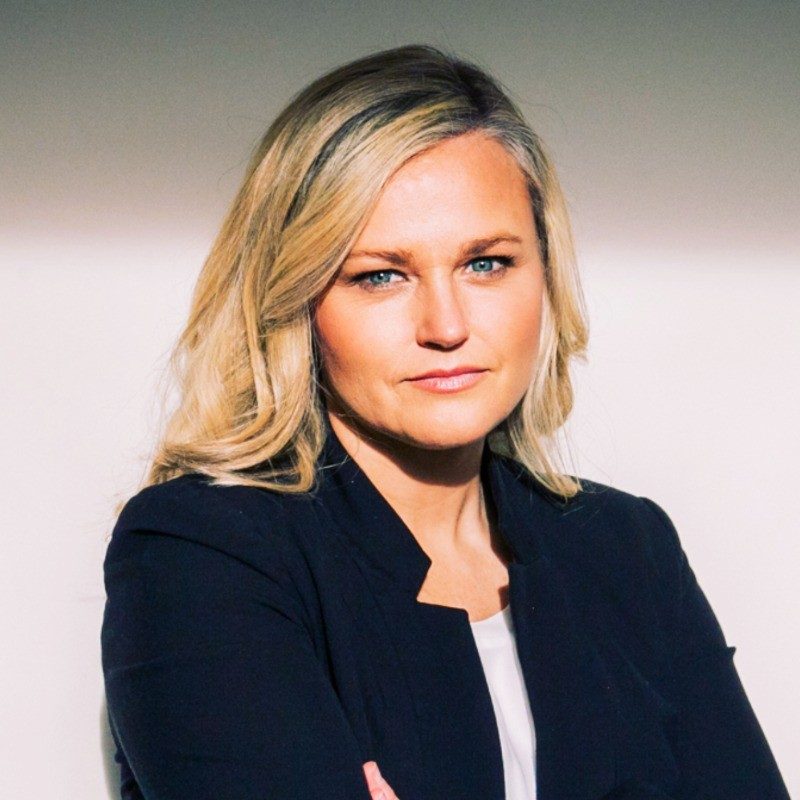
In this partner spotlight Q&A, Morgan MacLeod, Co-Founder of Cubicle Fugitive, explains how the agency’s experience in the legal industry helps firms modernize their digital presence with Progress Sitefinity CMS.
1. Can You Briefly Introduce Cubicle Fugitive and Your Work with Law Firms?
I’m Morgan MacLeod, co-founder of Cubicle Fugitive. We started the agency in 2003 in Hamilton, Ontario, and focus on brand and digital work for professional services, especially law firms. For more than two decades, we’ve worked with firms ranging from boutique litigation practices to large, full-service international firms. We keep strategy, design and development in-house, so the people who set the direction stay close to the work through launch.
Across those engagements, the common thread is understanding how people choose a lawyer or firm and how a firm’s own people need to present their expertise online.
Read more in Cubicle Fugitive’s success story.
2. What Sets Cubicle Fugitive Apart in Digital Work for Legal Clients?
Our focus means we already understand the legal market, its competitors and how clients buy legal services. Our team is also senior and stable. Our developers have been with us for more than 20 years, providing clients with continuity throughout a website’s life.
We custom-design every website and build the functionality law firms use. The Sitefinity content architecture lets us create legal-specific content types for lawyer biographies, practices and industries, publications, representative matters, events and awards, then connect them through structured relationships. We also address accessibility throughout strategy, design, development, content and testing.
3. What Digital Experience Challenges Are Law Firms Facing Today?
The most common problem is a website that is no longer performing as it should. A firm may have grown, merged or added practice groups, while the website no longer reflects its depth or makes the right expertise easy to find.
Marketing teams may depend on developers for routine changes; search and filtering may be weak; the mobile experience may lag expectations; and accessibility issues can go unnoticed until they create legal or reputational risk.
4. Why Has Sitefinity CMS Been a Strong Fit for Legal Clients?
Progress Sitefinity CMS combines the requirements that matter most to our legal clients: security and governance, ease of administration and longevity. It is built on .NET, which our clients’ IT departments trust and supports role-based permissions, approval workflows, revision history and other enterprise controls.
Its module architecture lets us create the content types a law firm relies on, including people and biographies, practices and industries, publications, events, representative matters and awards and connect them through structured relationships. An article can then automatically surface on the right lawyer’s biography and practice page.
Just as importantly, marketers can manage pages and content themselves without having to call a developer. The core Sitefinity capabilities and our custom legal modules also reduce dependence on third-party plugins, making the overall implementation easier to govern and maintain.
5. How Has Sitefinity CMS Helped Cubicle Fugitive Better Serve and Differentiate with Legal Clients?
It helps us answer the questions that can determine whether an enterprise website project moves forward. We can conduct detailed security and governance reviews, show marketing teams how to manage the website directly and confirm that the client owns the platform license rather than being locked into our agency.
That combination helps us compete for larger, security-conscious firms where governance and long-term support are deciding factors. Aird & Berlis is a recent example. Its hybrid headless rebuild on the Sitefinity platform cut average server response time from 423 milliseconds to 213 milliseconds while preserving the publishing environment its marketing team already knew.
6. What Gave You Confidence in Progress as a Long-Term Partner?
The first reason was platform stability. We have upgraded client websites across successive versions without re-platforming, which is important when a law firm expects to use its CMS for many years.
The second was Progress’ continuing investment in Sitefinity development. Progress has maintained a regular release cadence and supported the CMS as an enterprise product. Its recent investment in Agentic RAG also signals that the platform will continue to evolve as clients’ expectations change.
7. How Do You See the Partnership Evolving?
I expect our partnership to deepen as we help firms adopt these capabilities responsibly. A useful starting point would be focused pilots for governed AI search across a firm’s approved insights and resources, supported by structured content that enables reliable retrieval.
Firms need to put their content and governance in order first. Cubicle Fugitive can help them prepare that foundation and then introduce AI capabilities where they solve a clear client or marketing need.
For law firms, a modern website must do more than look current. It must make expertise easy to find, give marketing teams practical control and satisfy the security and governance expectations of IT and risk teams. Sitefinity CMS gives Cubicle Fugitive a stable platform for delivering that work.