
Secure File Transfer Automation for Energy and Utilities
Move data packages across plants, pipelines and field sites with centralized control, secure automation and audit-ready evidence.



THE REALITYEnergy and Utilities File Workflows Are Mission Critical, But Fragile
Every day, energy organizations transfer files between remote locations, OT/IT boundaries, contractors, regulators and enterprise applications. However, many of these processes still rely on manual transfers, USB drives, traditional FTP, isolated tools or fragile scripts. These outdated practices introduce unnecessary risks in environments where uptime, security and timely data movement are essential for critical infrastructure which can lead to:
Operational Delays
Late transfers can slow reporting, decision making and downstream business processes
Security Exposure
Data is at risk when transfers are handled through fragmented or poorly governed processes
Manual Overhead
Manual handoffs and brittle scripts mean more time troubleshooting and less time scaling
THE SOLUTIONA Modern File Transfer Layer for Energy Operations
Progress® Automate MFT helps energy and utilities organizations automate secure file movement across distributed, hybrid environments from a centralized, cloud-based control plane. Lightweight agents, scheduled and event-driven workflows, and improved visibility into transfer activity, help teams reduce manual effort and improve control over OT-to-IT and partner-facing exchanges.They also, support more reliable delivery of business-critical files.
Energy and Utilities Workflows You Can Automate
OT-to-IT Data Exports
Automate the secure transfer of operational data from distributed field or plant environments to central analytics and data lake systems.
Vendor File Exchange
Route engineering drawings, inspection files and contractor packages through governed workflows instead of email or ad-hoc tools.
Compliance Prep
Streamline the preparation of reporting packages for environmental, regulatory and other deadline-driven submissions.
Market Data Feeds
Automate recurring exchanges for pricing, settlement, billing and other time-sensitive utility or energy retail workflows.
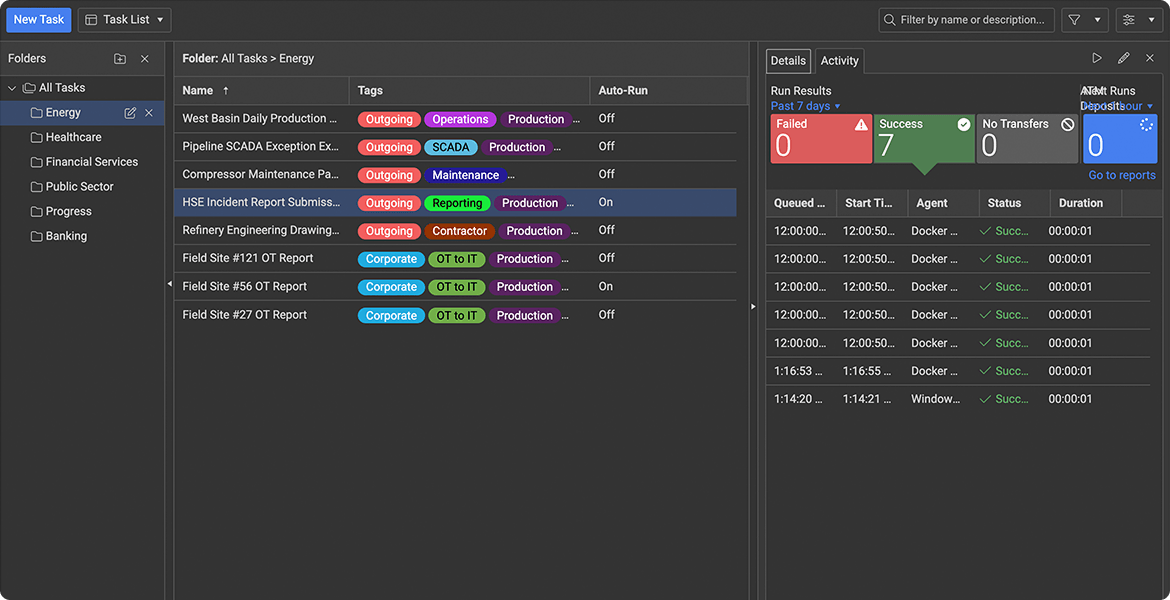
See How Easy It Is to Automate and Manage Energy File Transfers
Ready to Automate Your Energy Workflows?
See how Automate MFT designs, schedules and governs every file transfer in minutes, then start a free trial with no payment required.
Take a Tour
Why Automate MFT for Energy and Utilities File Transfer
Manage and Scale Workflows Across Distributed Sites
Deploy lightweight agents at field locations or within air-gapped networks and orchestrate workflows centrally
Protect critical infrastructure with high availability and load balancing via agent pooling
Manage file workflows across sites, teams and endpoints from a single cloud-based control plane


Build File Transfers Without Scripting
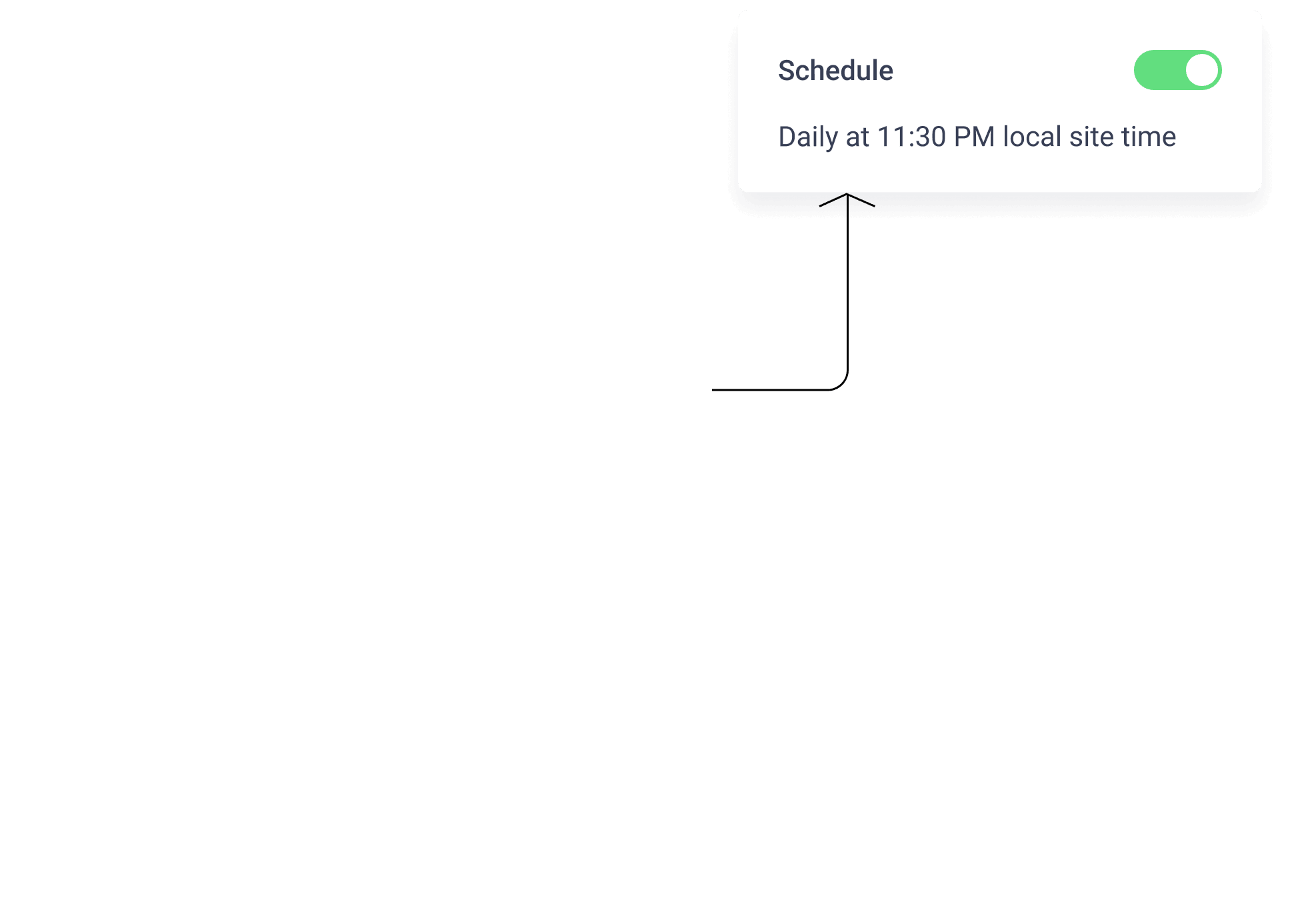
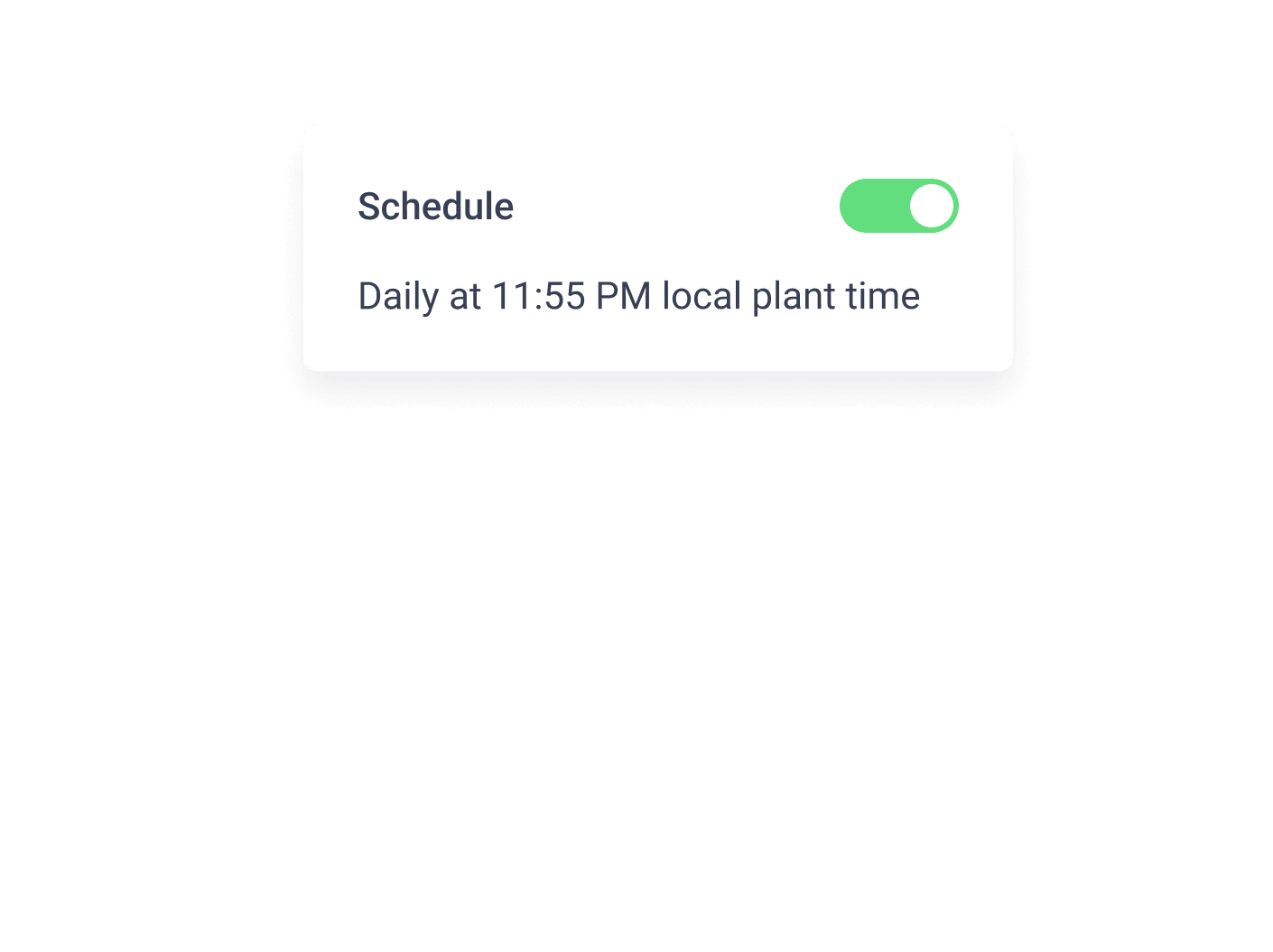
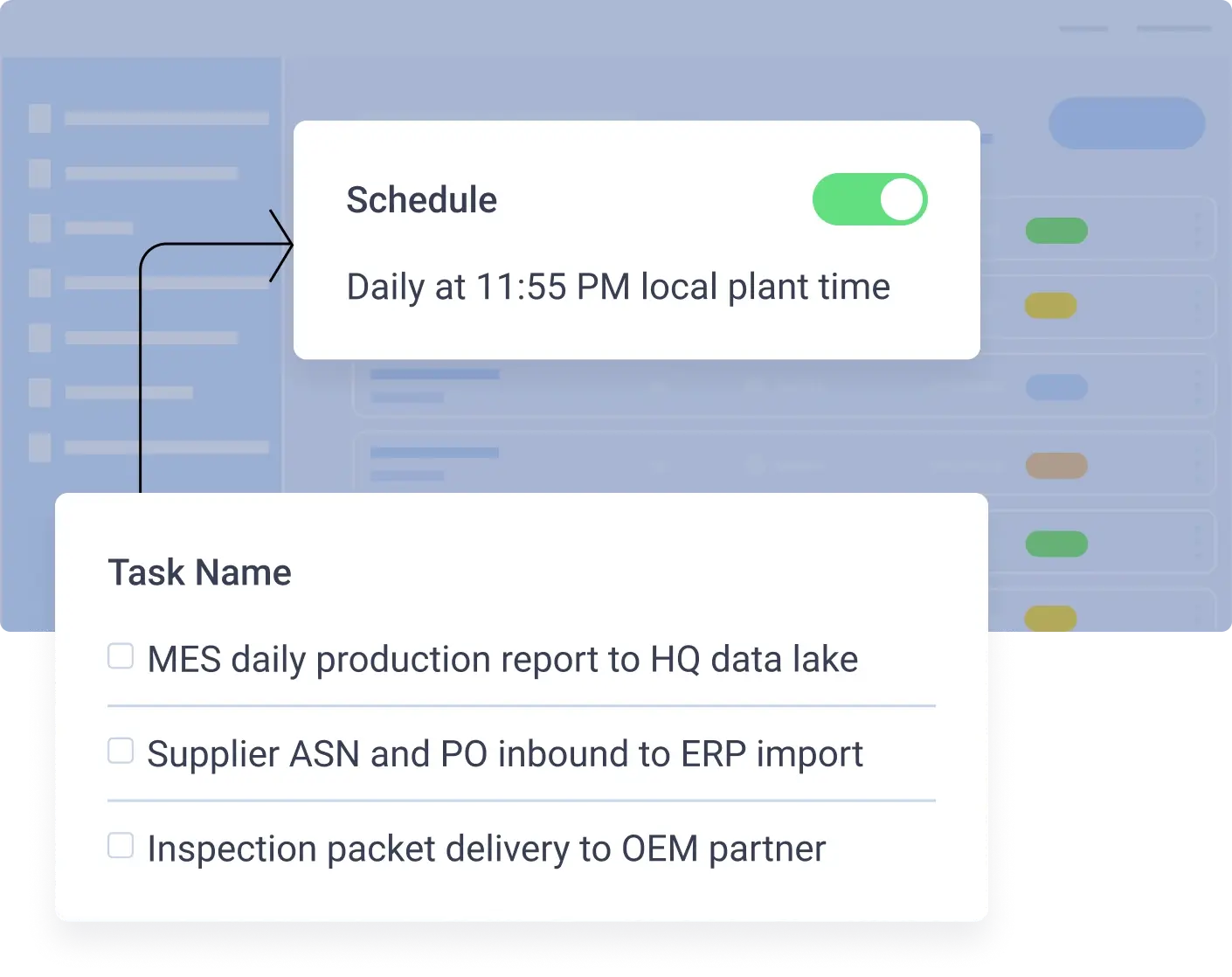
Schedule repetitive and high-volume transfers or run on demand
Process or PGP encrypt files before sending or receiving partner files
Use Automate MFT as the gated pipeline between IT and OT systems


Centralize Secure File Transfer Across Hybrid Environments
Transfer files using SSH/SFTP, SSL/FTPS, SMTP and CIFS/SMB/UNC protocols
Connect to legacy OT systems, cloud data lakes and SaaS endpoints
Extend workflows with REST API support


Manage Secure, Audit-ready File Transfers from Site to Hq.
Encrypt and audit every file transfer, know what moved, where it moved and when
Control access and authenticate with enterprise identity providers
Stay compliant with SOC 2 Type I and HIPAA certifications


Built for How Energy Organizations Operate
Oil and Gas
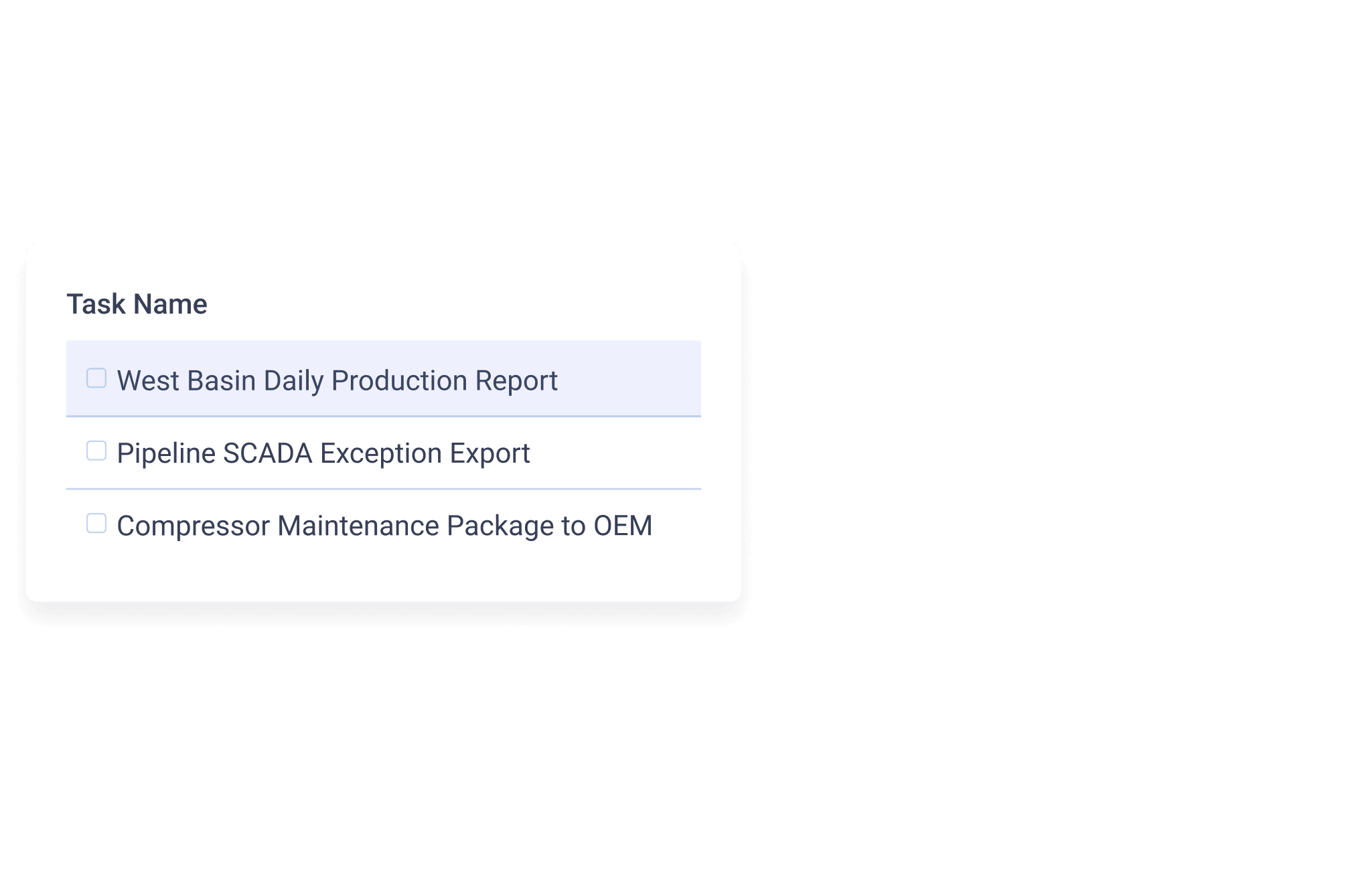
Automate file workflows from upstream to downstream environments, including drilling and well data, daily production reports, pipeline SCADA exports, engineering packages and contractor maintenance records.
Utilities
Move files across generation plants, substations, control centers and corporate systems for operational data, AMI and meter files, outage schedules, contractor work orders and environmental reporting.
Renewables
Orchestrate data flows from wind, solar and storage operations, including turbine performance files, production forecasts, inspection imagery, maintenance logs and reporting packages.
Find the Right File Transfer Solution for Your Organization
Whether you need cloud-first simplicity and scale or an on-prem footprint, choose the option that best matches your energy workflow and deployment requirements.
WorkFlow AutomationOrchestrating repeatable file workflows across systems and partners. | |
| Deployment | |
| Cloud (with self-hosted agents) | On-premises |
| Solutions | |
Automate MFT→ Learn More | MOVEit Automation→ Learn More |
Controlled Exchange HubCreating a secure place to receive and distribute files with partners. | |
| Deployment | |
| Cloud | On-premises |
| Solutions | |
MOVEit Cloud→ Learn More | MOVEit Transfer→ Learn More |
FAQs
Resources for Energy and Utilities




Modernize File Workflows Across Energy and Utility Operations
See how Progress Automate MFT can help your team automate operational data movement, partner file exchange and reporting workflows across distributed environments.
