
Nick Diamond
Nick worked at Progress, developing market strategy and messaging for MarkLogic's healthcare and life sciences business.
Articles by the Author

The Importance of Metadata to Life Sciences
Life sciences companies store and leverage petabytes of data. To maximize the value of this data for solving key business challenges, from managing real-world evidence to accelerating drug discovery, they need to leverage metadata as a key component of their data strategy.

How a Flexible Data Strategy Saves Lives—and Money
Infographic: Just a few years ago, health systems were generally operated as revenue centers—the more patients seen, the more money made. But, in today’s reality of outcomes-based reimbursement, hospitals must be run as cost centers—ensuring their margins by eliminating inefficiencies and waste that contribute to hospital readmissions, reduced reimbursement and costly penalties. The remedy lies in a flexible data strategy …

The Tremendous Impact of Data on Quality of Care
As healthcare transitions to the world of risk-based reimbursement, measuring data is crucial to ensuring quality of care. Watch the video to learn more about the vital role of data in patient health outcomes.

Go Beyond Traditional Data to Improve Health Outcomes
As healthcare transitions to the world of risk-based reimbursement, your data strategy must evolve to meet the changing requirements of your organization. Learn more about reaching beyond traditional sources of data to effectively improve patient health outcomes.
Leverage Change to Your Advantage in Healthcare
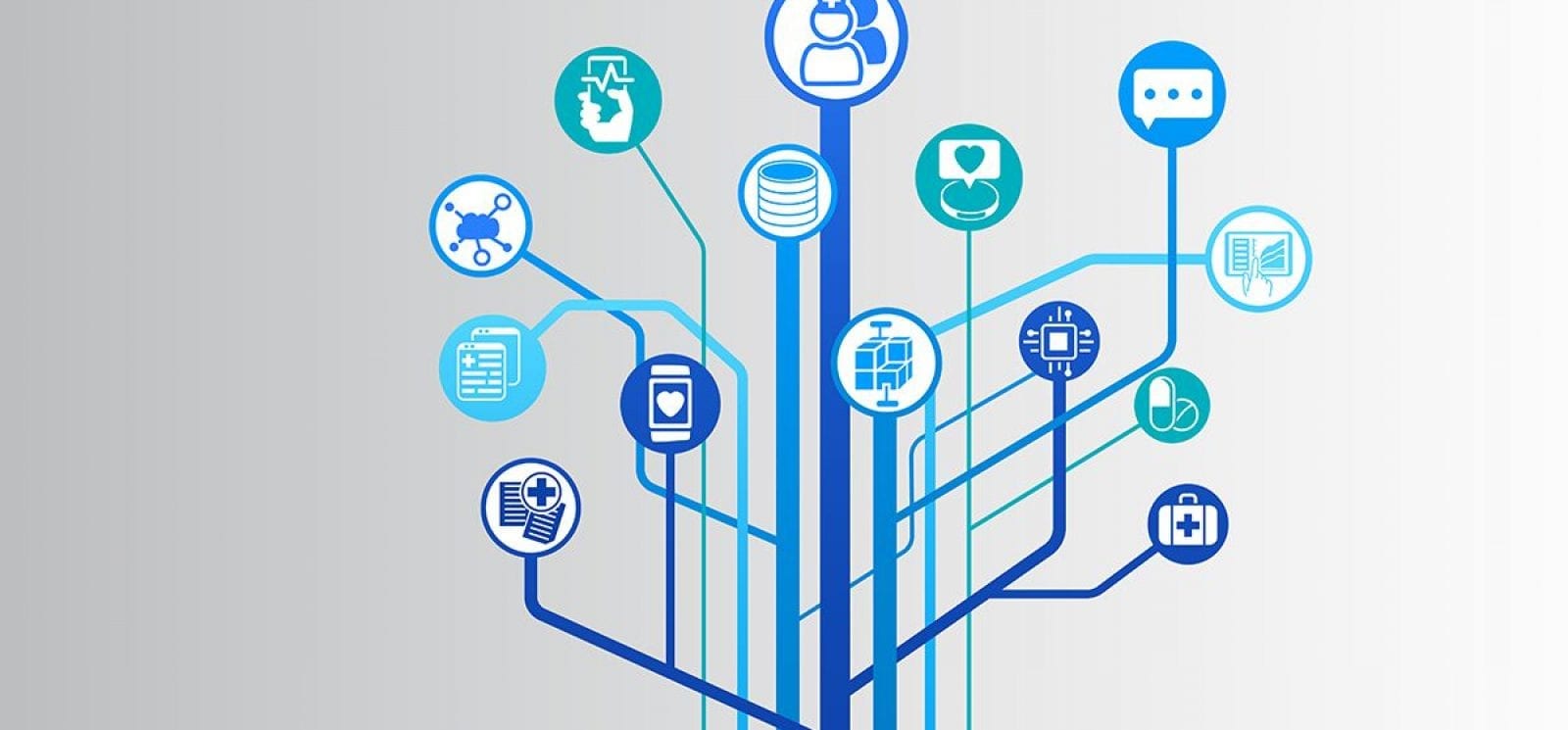
Payers and providers are tasked to keep up in an industry of rigorous demands and near constant change. Will your organization be able to quickly adapt to what’s next? Bill Fox, Vice President for Healthcare and Life Sciences at MarkLogic, explains why a flexible data strategy is key. Watch the Video!

Change is Hard, Not Changing is Expensive
To escape the time and money trap of legacy systems – adopting the right mindset is just as critical as adopting the right technology. Think about what you’d gain from breaking down the data silos that hold back your business. Can you really afford not to change?


Latest Stories in Your Inbox
Subscribe to get all the news, info and tutorials you need to build better business apps and sites